MakeBox AI
← Back to Blog
EtsyJune 29, 202610 min read

The Complete Etsy SEO Guide for 2026: Titles, Tags, Attributes, and the Algorithm

Etsy SEOEtsy titlesEtsy tagsEtsy attributesEtsy algorithmlisting optimizationEtsy seller tips 2026Etsy search ranking

Master Etsy SEO in 2026 with this research-backed guide covering titles, tags, attributes, and how the algorithm prioritizes listing quality. Practical, no-fluff advice.
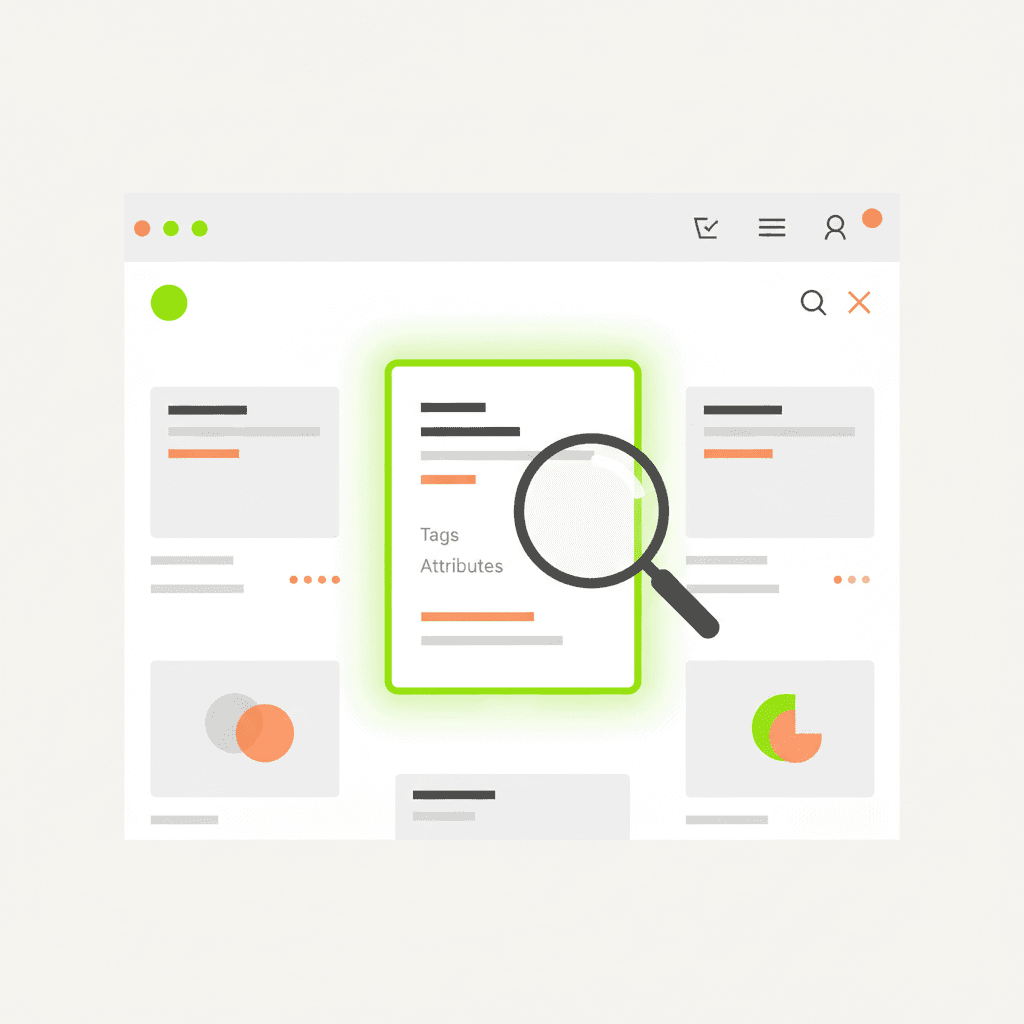
makebox.ai / blog / complete-etsy-seo-guide-2026
The Complete Etsy SEO Guide for 2026: Titles, Tags, Attributes, and the Algorithm

You’ve optimized your titles, filled all 13 tags, and still your listings are invisible. I’ve been there. The problem isn’t effort—it’s that Etsy’s algorithm in 2026 no longer rewards keyword stuffing. It rewards buyer-intent clarity and listing quality. Let me show you exactly what changed and what still works.

💡 In 2026, Etsy’s algorithm blends keyword relevance with behavioral signals like clicks, favorites, and purchases. Great SEO must also convert.

How Etsy’s Search Algorithm Actually Works in 2026

Etsy’s search engine isn’t a black box—it’s a weighted system of four key signals:

  • Relevance: How well your title, tags, categories, and attributes match a shopper’s query.[4][3]
  • Listing quality score: A new heavyweight factor that considers photos, video, listing completeness, and engagement (clicks, favorites, purchases).[8]
  • Buyer engagement: Listings that consistently convert get a visibility boost over time.[8][10]
  • Shop trust: Reviews, clear policies, and reliable shipping build shop-level trust that influences ranking context.[15]
  • What this means for you: Optimizing keywords alone won’t cut it. Your listing must also earn clicks and sales. The algorithm now treats SEO and conversion as two sides of the same coin.

    An illustration showing a balance scale with “Keyword Relevance” on one side and “Listing Quality (photos, vid

    An illustration showing a balance scale with “Keyword Relevance” on one side and “Listing Quality (photos, vid

    Titles: The 140-Character Statement That Makes or Breaks Your Click-Through

    Your title is the first thing buyers see—and Etsy’s algorithm reads it first. Here are the hard rules and best practices from the latest research.

    Hard Limits

    140Maximum title characters
    13Tag slots, all must be used
    20Maximum characters per tag (spaces included)

    2026 Best Practices

  • Front-load your main keyword phrase in the first 2–3 words. That’s the exact phrase a buyer would type.[1][7][13]
  • Write naturally, not as a comma-separated list. Etsy’s Seller Handbook now encourages human-readable titles.[12]
  • Avoid repeating words. Etsy indexes each word once—repeating wastes space and looks spammy.[1]
  • Layer attributes and buyer intent after the main phrase: material, style, occasion, recipient.[1][2][4]
  • Keep title, tags, and description aligned. A consistent keyword theme across all areas strengthens relevance.[7][6]
  • Example Title Formulas

    SourceStructureExample
    KazevyPrimary keyword + attributes in natural languagePersonalized Leather WalletSlim Engraved Card HolderGift for Husband[1]
    ListifyAI[Primary Keyword] [Secondary Keyword + modifier] [Occasion/Recipient]Personalized Leather WalletSlim Engraved Card HolderGift for Husband[2]
    Selloquence[Primary Keyword] – [Variation/Modifier] [Material/Style] [Use Case/Recipient]Ceramic Coffee Mug – Speckled Glaze Handmade Pottery Gift for Mom[4]

    Tags: Your 13 Slots for Long-Tail Domination

    Tags are where you cover the long tail. Every unused tag is a missed opportunity.

    The Strategy

  • Use all 13 slots. No exceptions.[3][4][7][15][13]
  • Each tag must be a multi-word phrase (2–4 words), not a single generic word like “gift” or “art”.[2][3][4]
  • Prioritize buyer-intent phrases: “gift for cat lovers”, “boho wall art”, “anniversary gift for husband”.[3][2][15]
  • Mix broad and specific: one tag might be “coffee mug”, another “thumb rest pottery mug”.[4][9]
  • Do not duplicate exact phrases from your title—that wastes tag space that could cover new search variations.[3][4][1]
  • Avoid repeating the same tag in multiple slots—it offers no ranking boost.[6][13]
  • A Proven Tag Set Structure

    💡 A well-structured tag set covers product variations, buyer intent, style/occasion, and materials—not just synonyms.
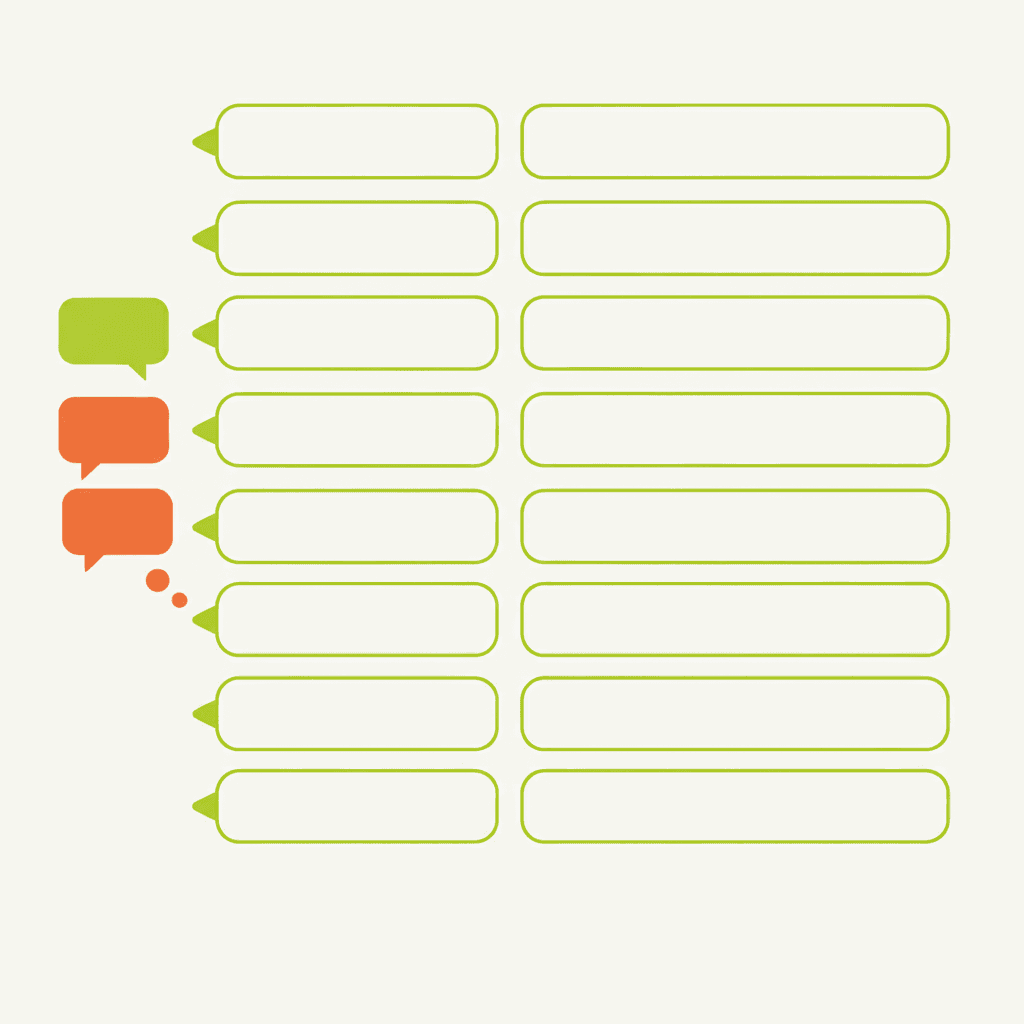
  • 3–4 long-tail product variations (e.g., “minimalist leather wallet”, “engraved card holder”)
  • 3 buyer-intent phrases (“gift for husband”, “anniversary gift”, “personalized gift”)
  • 2–3 style or occasion terms (“modern design”, “Father’s Day gift”)
  • 2–3 material or technique keywords (“vegan leather”, “hand stitched”)[2]
  • A clean flat illustration showing 13 empty tag slots being filled one by one with speech bubbles that contain

    A clean flat illustration showing 13 empty tag slots being filled one by one with speech bubbles that contain

    Attributes & Categories: The Underrated SEO Levers

    Attributes are structured data that power Etsy’s filters. Ignore them and your listings vanish when buyers filter by color, size, or material.

  • Choose the most specific category for your product. Broad categories dilute relevance.[4]
  • Fill every attribute Etsy offers for that category: color, size, material, style, occasion, recipient.[4][6]
  • Update attributes when Etsy adds new options—new fields often open new search surfaces.[4]
  • Missing attributes can exclude your listing from filter-driven searches entirely. Take the extra five minutes.

    Descriptions: Write for Scanners, Not Readers

    Most buyers never scroll past the first two sentences on mobile. Your description needs to hook them immediately.

  • Lead with the most important detail and main keyword in the first sentence.[2][7]
  • Sell benefits, not just specs. Tell them how it feels to own or gift the item.[7][6]
  • Cover key details: materials, dimensions, care instructions, personalization options, and the gift angle.[7][2]
  • End with a soft call to action inviting buyers to purchase or browse related listings.[7]
  • Listing Quality Score & Media

    Etsy now places more weight on listing quality, which includes photos, video, and completeness.[8] Your lead image is critical for click-through—upgrading it is one of the highest-impact optimizations you can make.[10]

    Common Etsy SEO Mistakes to Avoid in 2026

    Here are the pitfalls that appear repeatedly across every guide I researched:

  • Keyword-stuffed titles that read like spam. They hurt conversion and can be demoted.[6][7][15]
  • Repeating the same word excessively in titles—no SEO benefit, just wasted characters.[1]
  • Duplicating title phrases in tags instead of covering new variations.[3][4][1]
  • Using single-word, vague tags like “gift” or “art” instead of multi-word phrases.[2][9][15]
  • Not using all 13 tags—a critical error.[3][6][15][13]
  • Repeating the same tag in multiple slots—doesn’t boost ranking.[6][13]
  • Ignoring attributes—missing fields reduce filter visibility.[4][6]
  • Misaligned buyer intent—titles and tags that don’t match how buyers search.[10]
  • Copy-pasting competitor titles without strategy—they rank for different reasons.[6][10]
  • Letting underperforming listings sit for months without refreshing.[4][6][10]
  • 💡 The biggest mistake? Not testing. Etsy rewards iteration. Refresh underperforming listings every 60–90 days with new titles, tags, and images.

    Your 30-Day Optimization Workflow

    Here’s a step-by-step process you can start today:

  • 1.Define buyer intent & niche cluster – Pick one niche (e.g., “personalized gifts for husbands”) and understand who your buyer is.[10]
  • 2.Research 30–50 keyword variations using Etsy autocomplete, top-ranking listings, and SEO tools.[10][15]
  • 3.Create a keyword map – Assign distinct sets of keywords to different listings to avoid cannibalization.[10]
  • 4.Write titles with your main phrase front-loaded using one of the tested formulas above.[1][2][4]
  • 5.Build a 13-tag set per listing – 20 characters each, multi-word, non-duplicate, covering variations, intent, style, materials.[2][3][4][7]
  • 6.Fill categories and attributes completely – Be as specific as possible.[4][6]
  • 7.Upgrade your lead image – Add video if possible to improve listing quality score.[8][10]
  • 8.Rewrite descriptions – Hook in the first sentence, sell benefits, add a soft CTA.[2][7]
  • 9.Monitor performance for 2–4 weeks – Watch impressions, clicks, favorites, and sales.[10]
  • 10.Iterate – Review top listings monthly, refresh underperformers every 60–90 days with new titles, tags, and media.[4]
  • FAQ

    How often should I update my Etsy titles and tags?

    Refresh underperforming listings every 60–90 days by testing new titles, tags, or images. Top performers can be reviewed monthly.[4]

    Can I reuse the same tag in multiple slots?

    No. Each tag slot should contain a unique multi-word phrase. Duplicating the same tag in multiple slots wastes ranking opportunities and is flagged as a mistake.[6][13]

    Do attributes really affect Etsy SEO?

    Yes. Attributes power Etsy’s filter system. Missing attributes can exclude your listing from searches that use filters like color, size, or material, significantly reducing visibility.[4][6]

    Ready to Put This Into Action?

    The 2026 algorithm rewards clarity, quality, and iteration. You don’t need to guess—you need a system. MakeBox AI helps you research keywords, write optimized titles and tags, and track performance so you can iterate faster. Start free today.

    > Try MakeBox AI for free →

    For more tips, check our guides on Etsy SEO tools and list automation.

    Want to talk through your setup?

    Get in touch and I'll walk through what would actually move the needle for your shop or business.