 MakeBox
 Etsy Keyword Research in 2026: Free and Paid Methods That Actually Work
Stop guessing keywords. Here's exactly how to research Etsy keywords in 2026—free methods that work, paid tools worth the money, and a repeatable workflow.
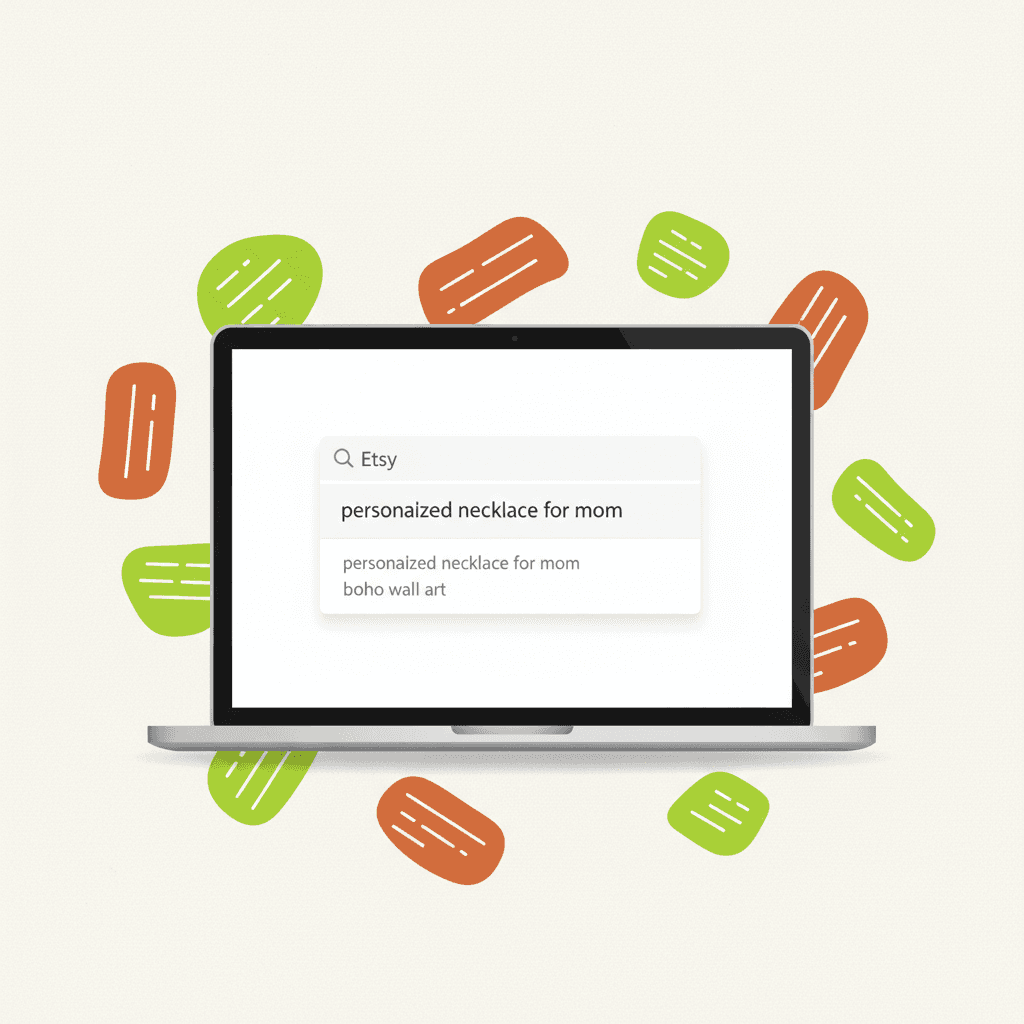
You've written descriptions that read like poetry, but your listings are still buried on page 8 of Etsy search. The problem isn't your product—it's your keywords.
💡 In 2026, Etsy keyword research is about feeding coherent signals across titles, tags, attributes, and descriptions—not just finding a few good tags.
Why Etsy Keyword Research Matters More in 2026
Etsy's algorithm scans five areas for relevance: title, tags, description, category, and attributes. Miss any one, and you're leaving visibility on the table.
Most sellers focus on tags alone. The ones who win map each listing to a distinct long-tail keyword cluster and refresh every 1–2 months.
Free Methods That Actually Work
Etsy Autocomplete: Your Best Free Tool
Type a base term into Etsy's search bar and watch the suggestions. Add "for" to uncover intent-based long-tails like "mug for teachers" or "gift for boyfriend."
For each new product, gather 10–15 seed phrases this way before touching any paid tool.
Competitor Analysis Without Spy Tools
Open 2–4 top organic listings for your target phrase. Look for patterns in titles and tags. What angles are they missing?
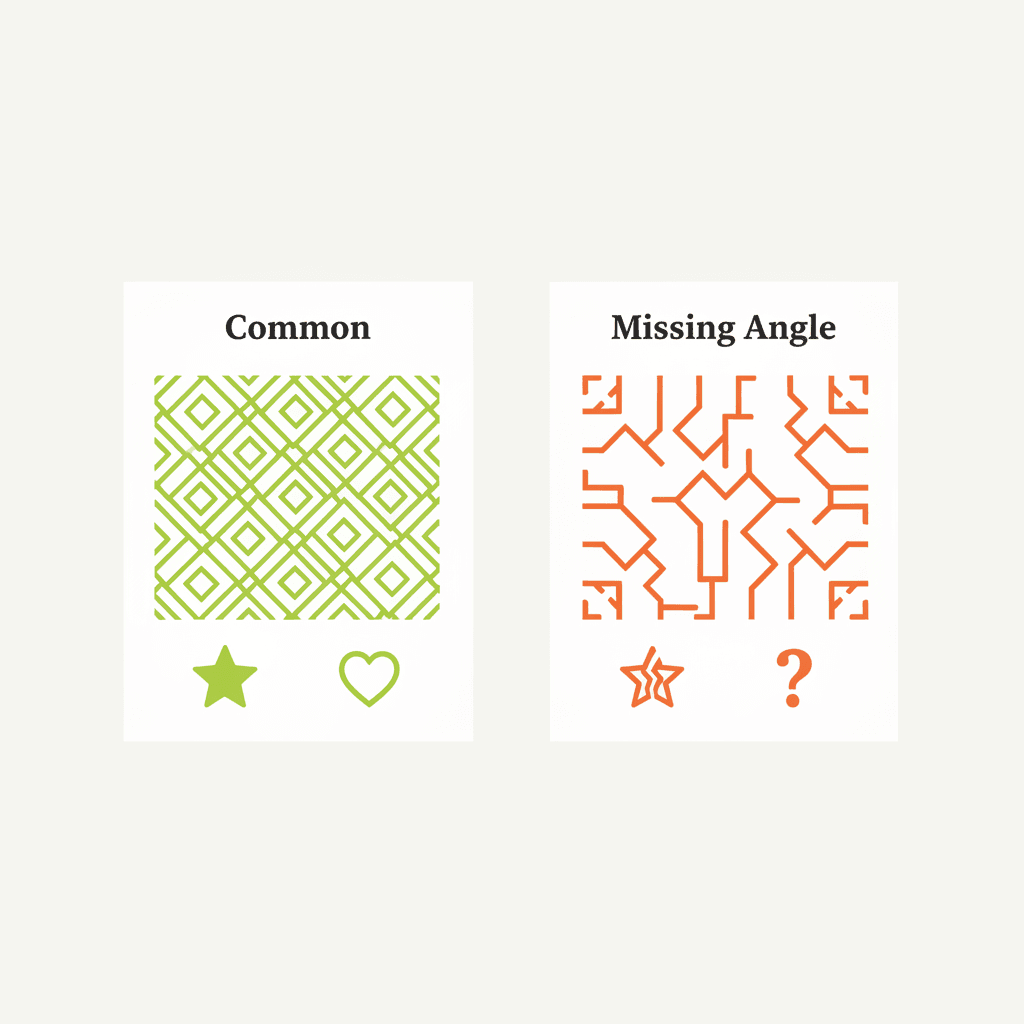
A flat illustration showing two Etsy listing cards side by side with highlighted title patterns in lime-green
Common patterns across top listings signal language that buyers and Etsy both favor. But don't copy blindly—look for gaps.
Review Mining for Hidden Gold
Your reviews and Q&A contain phrases buyers actually use: "dainty," "chunky," "for small wrists." These often become profitable long-tail keywords.
General SEO Tools (Free)
Google Trends validates whether a term is gaining popularity. Google Ads Keyword Planner reveals search volume and related phrases. For gift, decor, and fashion terms, the overlap with Etsy is strong enough to guide ideation.
Paid Tools Worth Your Money
What to Look For
Etsy-specific tools like Alura, eRank, Marmalead, and PlusFavorites offer:
💡 A keyword with 50,000 searches but 200,000 competing listings is a trap for small shops. Focus on volume-to-competition ratio, not raw numbers.
How to Use Paid Tools Without Wasting Money
Best Practices for Keyword Optimization in 2026
Structure Titles Like This
Frontload with one or two long-tail primary phrases, then add secondary descriptors. Example:
"Personalized birth flower necklace – gold plated – gift for new mom"
Titles must read naturally. Avoid unreadable keyword strings.
Use All 13 Tags—Correctly
Don't Ignore Attributes and Categories
Fill out categories and attributes completely. They act as structured keywords and strongly influence where you appear in search. Organize listings into shop sections whose titles reflect keyword themes.
Descriptions for Etsy + Google
The first 160 characters of your description appear in Google search snippets. Use your top 2–3 keywords naturally in those first few sentences.
Refresh Every 1–2 Months
Keyword performance changes. Review underperforming keywords monthly. Change only 3–5 tags or reorder the title at a time so you can attribute performance changes.
Common Mistakes to Avoid
Your 2026 Keyword Research Workflow
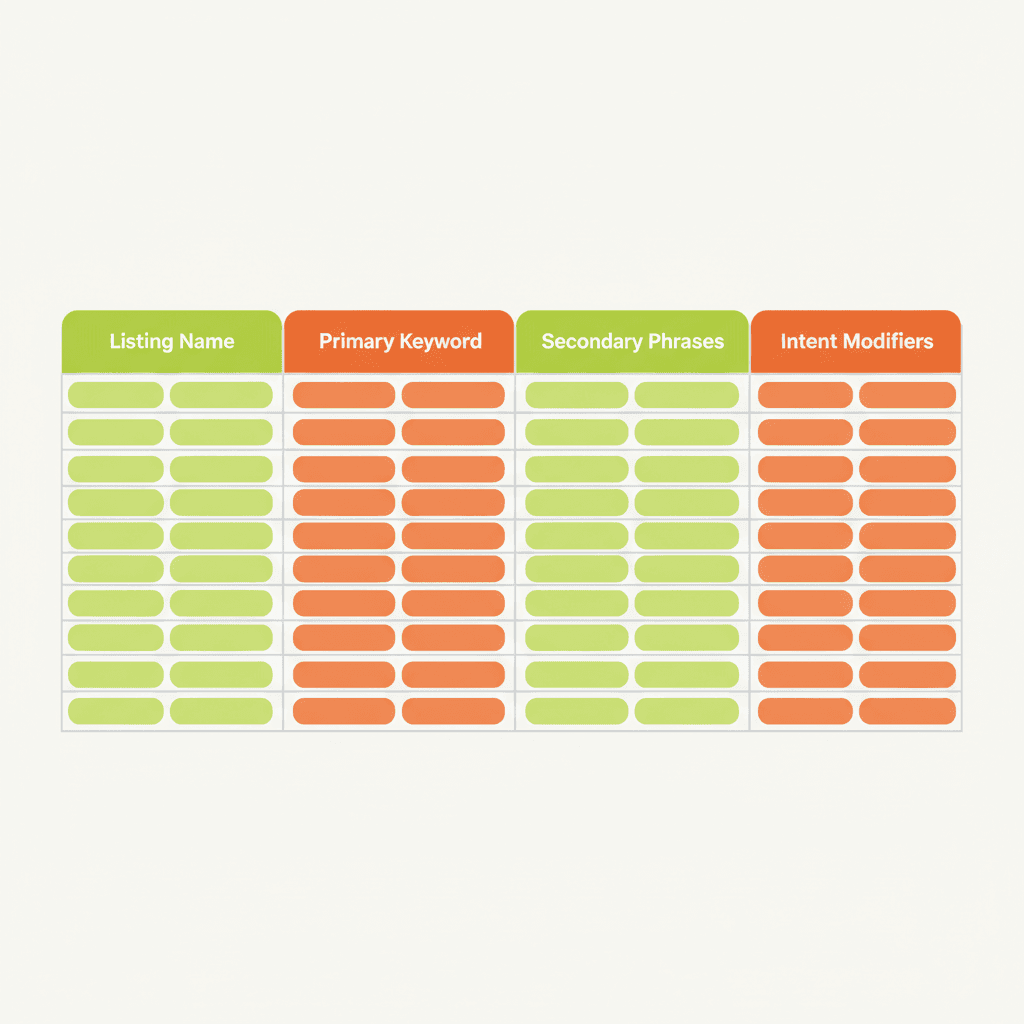
A flat illustration showing a simple keyword map spreadsheet with columns for "Listing Name", "Primary Keyword
FAQ
How many keywords should I research per product?
Aim for 30–50 keyword variations per niche, then map the best 10–15 to each listing.
Should I use the same keywords for multiple listings?
No. Each listing should target a distinct primary phrase to avoid cannibalizing your own search traffic.
How often should I update my keywords?
Review and refresh every 1–2 months. Change only a few variables at a time so you can track what works.
Stop Guessing. Start Ranking.
Keyword research doesn't have to be a black box. Use the free methods daily, invest in one paid tool for the data edge, and stick to a refresh cadence. That's what separates sellers who grow from those who stay stuck.
💡 The sellers who consistently frontload strong long-tail phrases in titles, fully use tags and attributes, and refresh keywords every 1–2 months are the ones reliably gaining search visibility and sales.
Ready to put this into action? Try MakeBox AI for free and let our tools handle the heavy lifting—from keyword research to listing optimization. Also check out our Etsy SEO extension to streamline your workflow.
Want to talk through your setup?
Get in touch and I'll walk through what would actually move the needle for your shop or business.